
 Written by
One of the things I love most about my role is spending time with Autodesk Learning Partners. Not because that’s my job and I like them – but because they’re the ones with their fingers on the pulse of what the market needs, and they get to hear directly from learners, students and employers day-in, day-out.
I had a brilliant opportunity to do this in person a couple of weeks ago when partners from across the region came together in Istanbul for our annual Learning Partner summit. We talked about the march of digital transformation – and how for adoption of new technologies to stick, people with skills are critical. I heard about how technology, in particular AI, is affecting their businesses and learner and employer expectations, and we explored how things could and should change as a result.
The advance of digital transformation
Many of them are experts in the built environment and see significant opportunities associated with digital transformation of the sector. Although AECO has historically lagged other sectors in digital maturity, Learning Partners are seeing how digital technologies are beginning to change the industry. They’re seeing the potential for transformation through digital advancements such as Building Information Modelling (BIM) and Digital Twins.
Investment priorities reflect this shift. PwC’s 2025 Middle East Capital Projects & Infrastructure Survey1 found that 65% of respondents ranked digital technology among their top three investment priorities for the next two to three years. The question is how the industry will translate that investment into practical improvements in project delivery – and ensure people have the capabilities to make the most of it.
One of the learning partners from Türkiye, AEC Akademi, told me that they’ve seen a significant shift in the way BIM is perceived and adopted in Türkiye: “BIM is no longer seen as an approach used primarily on large-scale projects or by international firms. It is increasingly becoming an essential way of working across the architecture, engineering, and construction industry.
BIM-based project delivery, interdisciplinary co-ordination, common data environments, interoperability, and IFC-based information exchange are becoming increasingly important.
BIM has evolved beyond creating 3D models. Today, it increasingly supports the management and exchange of information across connected workflows, data environments and teams throughout an asset’s lifecycle.

Arguably, this shift is driven by:
- Connected workflows. BIM connects information across different stages of a project, from design through to construction and operation. When design data is integrated with processes such as off-site fabrication, procurement and construction planning, teams can identify issues earlier, reduce rework and improve coordination between project phases.
- Common Data Environments (CDEs). A CDE provides a shared environment for managing, accessing and updating project information. With agreed standards and processes in place, it helps teams work with consistent, reliable information, improving visibility and reducing the risk of errors caused by outdated or fragmented data.
- Cross-discipline collaboration. BIM involves people and organisations working together across the asset lifecycle, from design and construction through to operation and maintenance. Shared information and coordinated ways of working can help teams resolve issues earlier, avoid duplication and make better-informed decisions. Achieving these benefits depends on clear communication, agreed responsibilities and effective collaboration between disciplines.
From software skills to applying technology in real workflows
One of the contributors at the learning partner summit in Istanbul referred to a comment made by Andrew Anagnost at Autodesk University (AU) in 2019: “Our future depends as much on people as it does on technology.” The observation feels just as relevant today, seven years later.
Knowing Revit, Civil 3D or other tools isn’t the same as being able to use them effectively within a project, across disciplines and through the wider delivery process.
And as BIM becomes more connected to data, digital workflows and AI, people need to be able to use it to solve problems, make better decisions and deliver better project outcomes. That’s why we’re shifting the conversation from skills to capability.
Skills are the knowledge and abilities people develop. Capability is their ability to apply them effectively in the context of a project, organisation and wider workflow.
I particularly like how Dr Waleed Salah, from Radiance, an Autodesk Learning Partner in Egypt puts it:
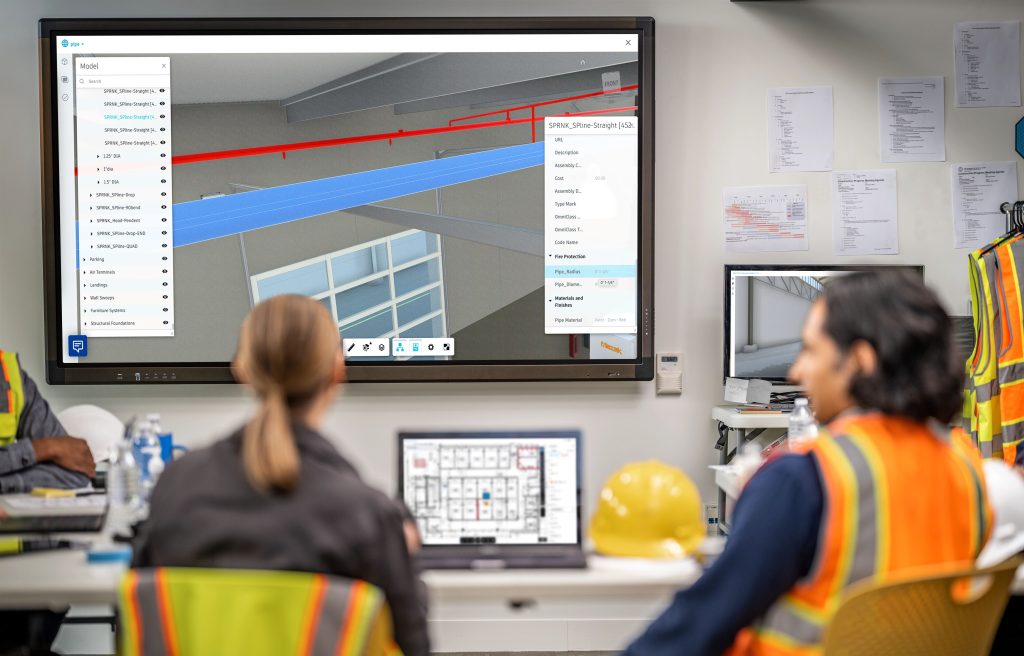
Someone who knows the software can build a model; someone who is effective on a project knows why the model is being built. They understand constructability and sequence, model to the level of information required, work to project standards and identify issues early.
AI and automation are changing what BIM professionals need to know
We had many discussions in Istanbul about AI. We talked about how AI is changing workflows and moving expectations away from repetitive production towards interpretation, checking, decision-making and higher-level problem-solving.
It is clear that putting AI to work requires more than deploying new tools. Organisations must connect AI to trusted data, embed it into everyday workflows, and equip employees with the skills to apply it effectively. The challenge is shifting from experimentation to execution.
For BIM professionals, this means understanding where AI and automation can add value, how to check the quality and reliability of their outputs, and when human judgement is needed. As routine tasks become increasingly automated, the ability to interpret information, recognise problems and make informed decisions becomes even more important.
Professionals also need to understand how these tools fit into established project processes, data standards and team responsibilities. The opportunity lies in applying AI and automation in ways that improve how projects are delivered.
The skills gap is becoming a capability gap
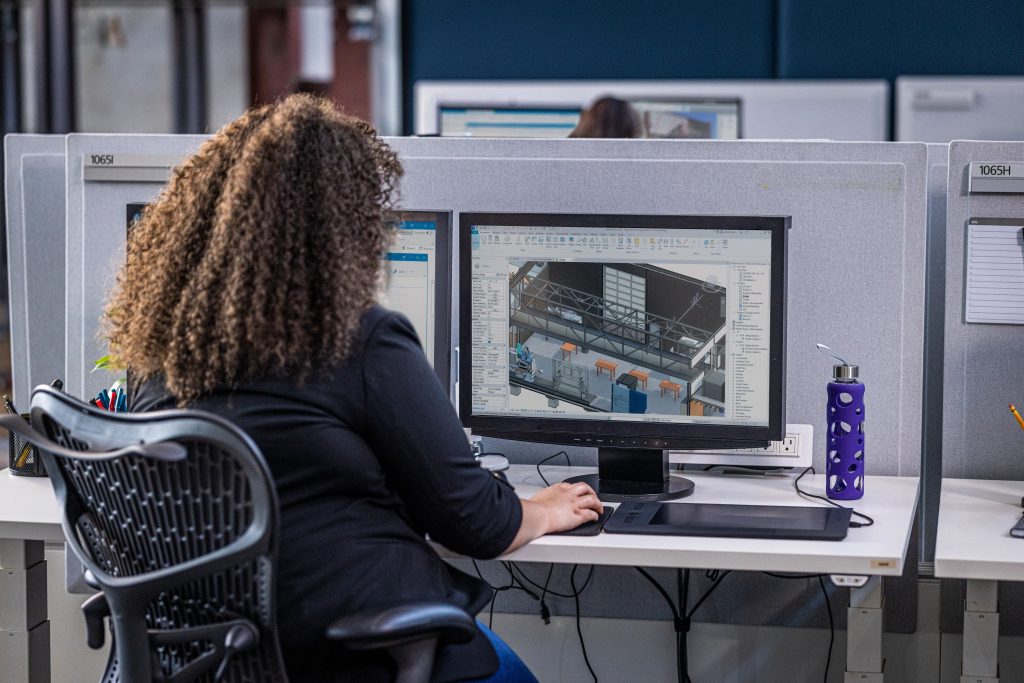
BIM competence has always extended beyond software knowledge. It is multi-dimensional – it encompasses information management, interoperability, collaboration and an understanding of the processes and organisational context in which BIM is applied.
But as BIM becomes more connected, automated and embedded in wider digital workflows, the question is whether today’s workforce has the capabilities needed for what BIM is now being asked to do.
The question isn’t simply “Do we have enough people who know BIM?” It’s “Do people have the combination of technical, digital and human skills needed to use BIM effectively as the industry changes?”
This matters because the consequences extend beyond individual proficiency. A professional may be confident using BIM software, yet still struggle to apply information consistently across disciplines, work effectively within a common data environment or understand how their decisions affect the wider project.
Organisations may invest in software and training, but see limited improvements if people cannot translate what they know into better ways of working. Closing the gap therefore means looking beyond software knowledge to how people apply their skills in real project settings, collaborate with others and contribute to better delivery.
Coming soon – new insight report
BIM is evolving, and the capabilities needed to use it effectively must evolve too. As connected workflows, automation and AI change how projects are delivered, technical knowledge alone will not be enough. People need to be able to apply their skills, work across disciplines and adapt as expectations change.
Next week, we’ll launch a new report drawing on the perspectives and experiences of our Learning Partners. It explores a central question for the AECO industry: how do we turn BIM skills into the capabilities needed to deliver better outcomes?

Tomas Karlsson is the head of global services at KnowledgePoint. This means he oversees the management, growth and delivery of learning and partner networks for organisations such as Autodesk. He and his team provide operational support, recruit and enable global networks of training providers, and assure high quality delivery and learner experiences.
To learn more about the new report or how Autodesk Learning Partners help organisations to develop BIM capability, contact Tomas and the team at KnowledgePoint.