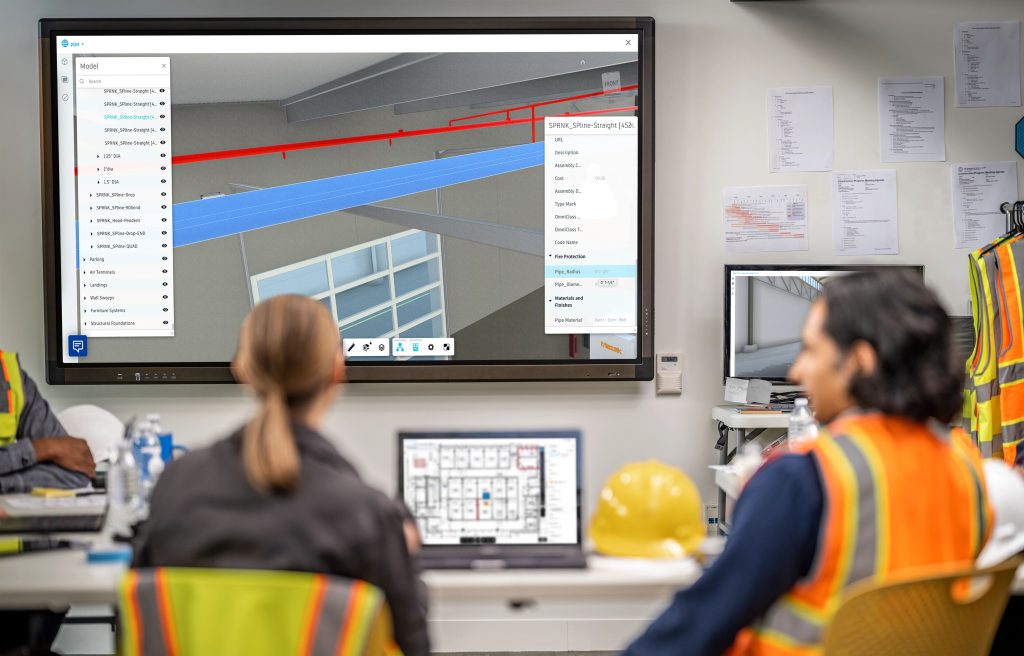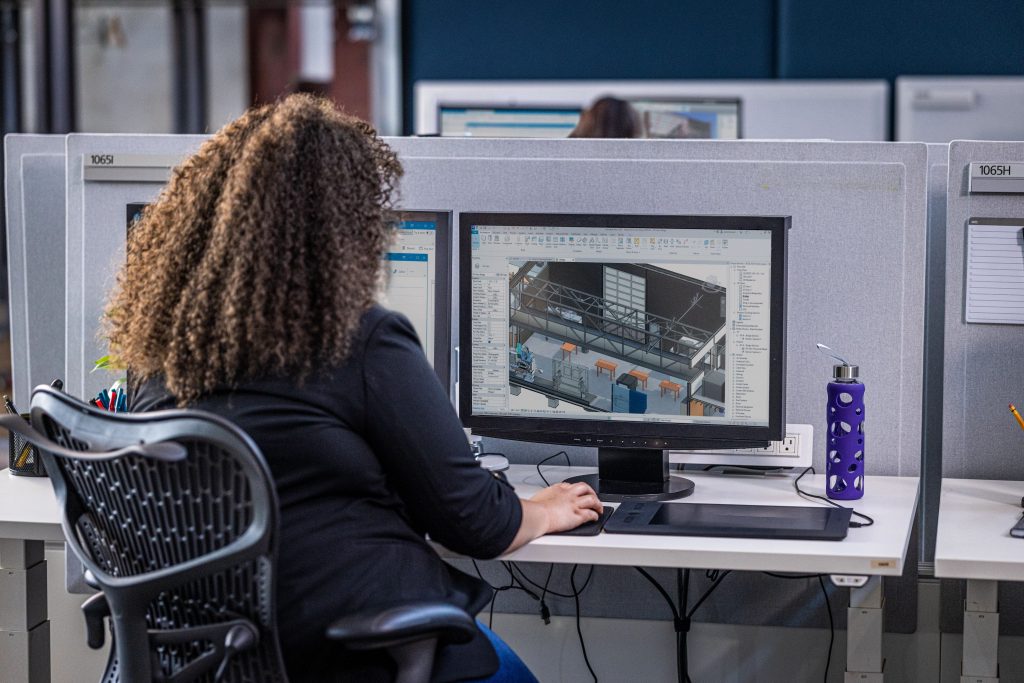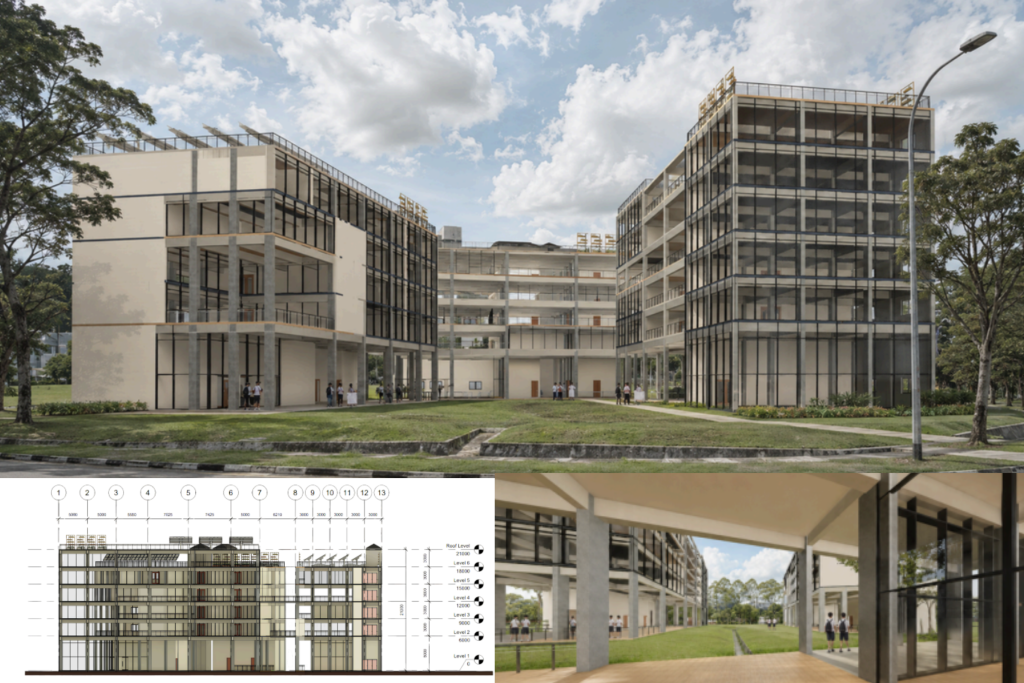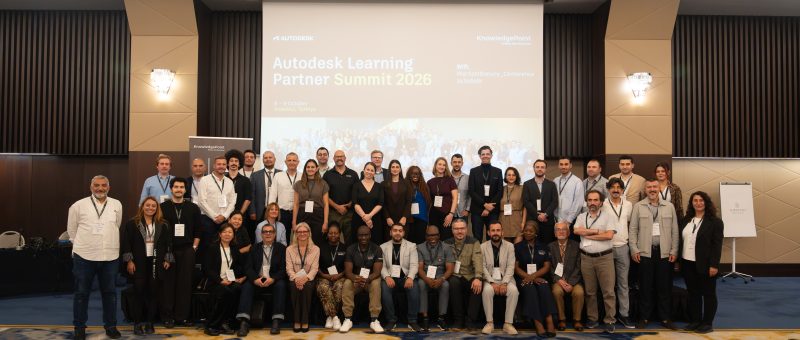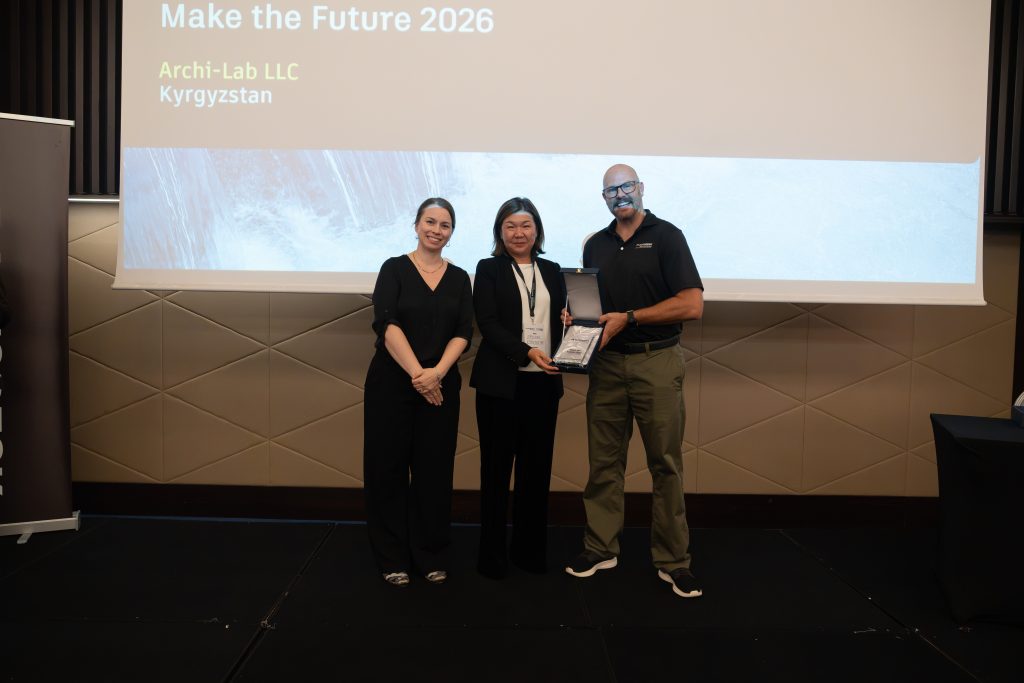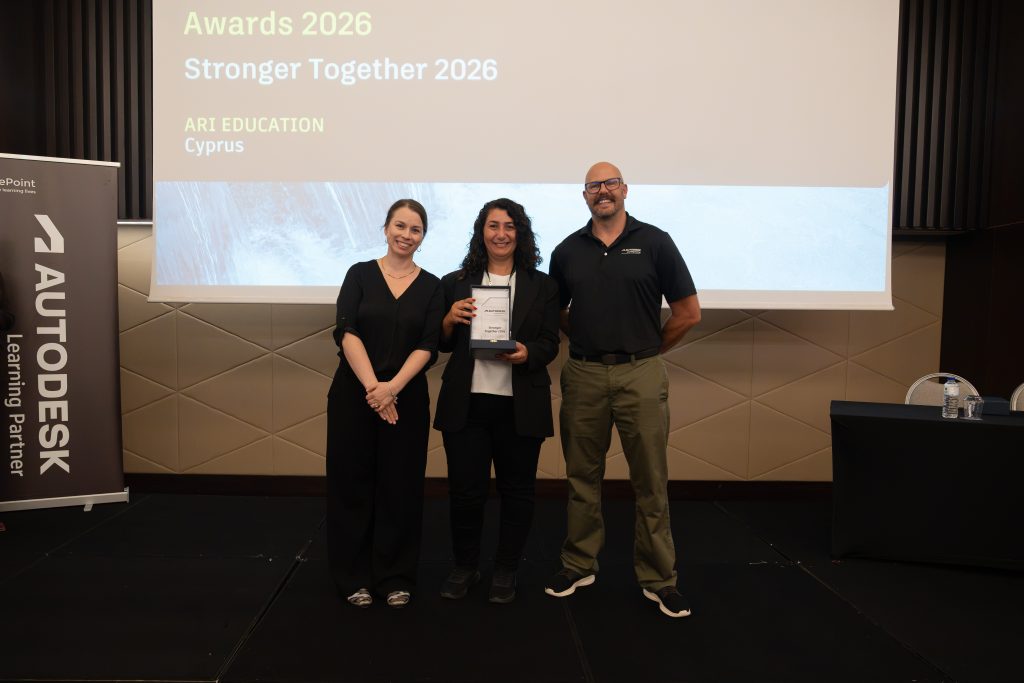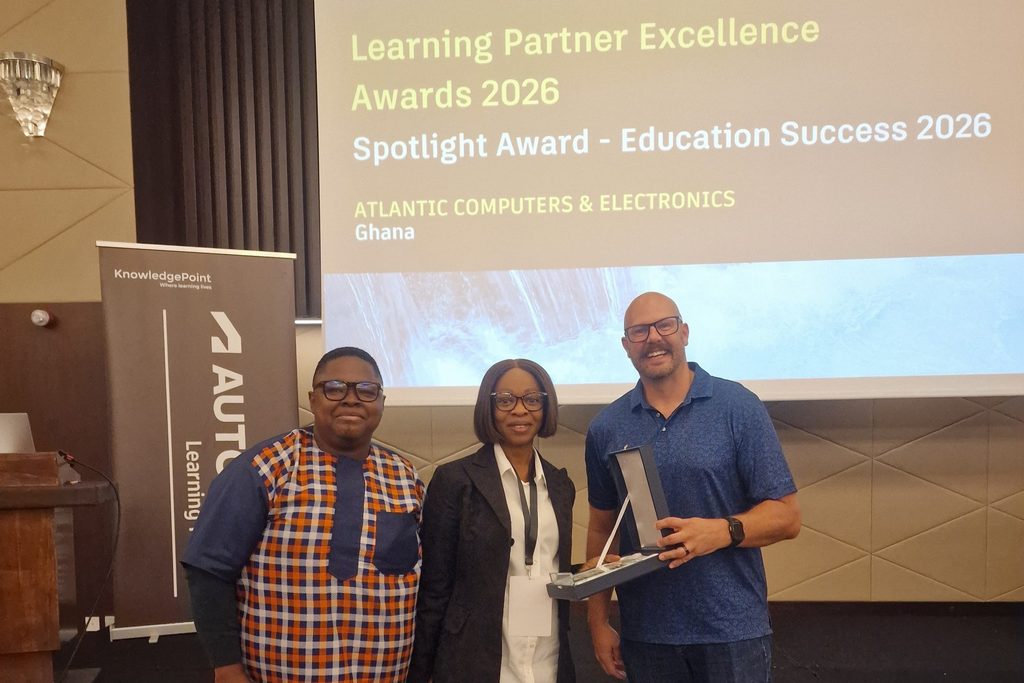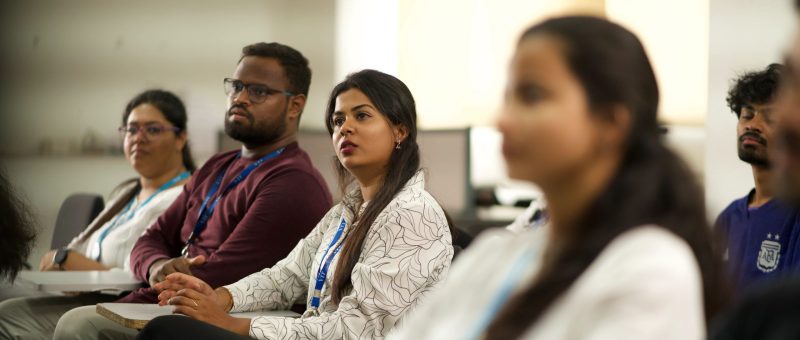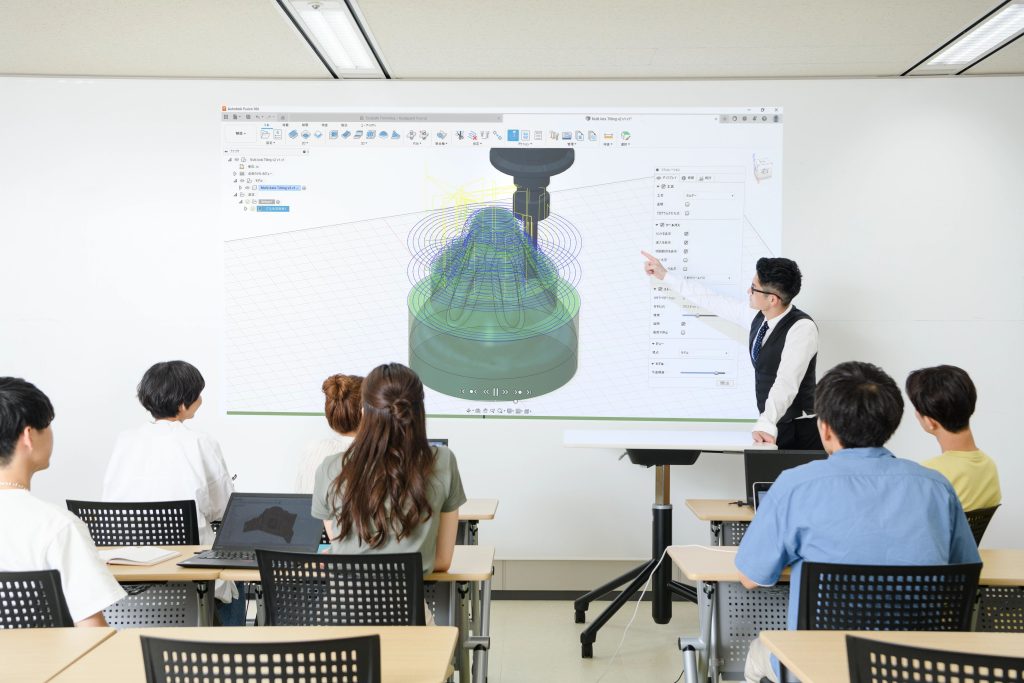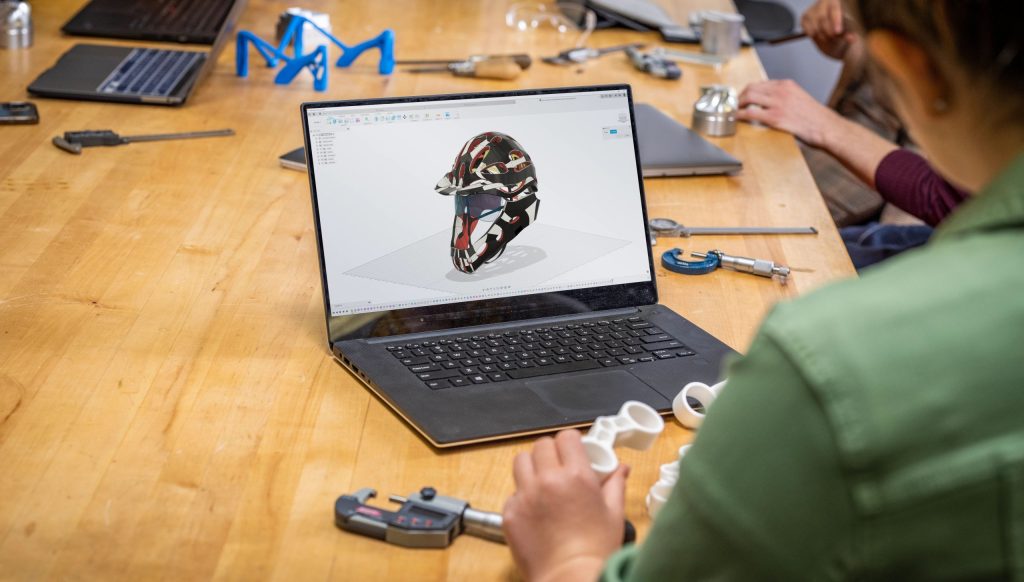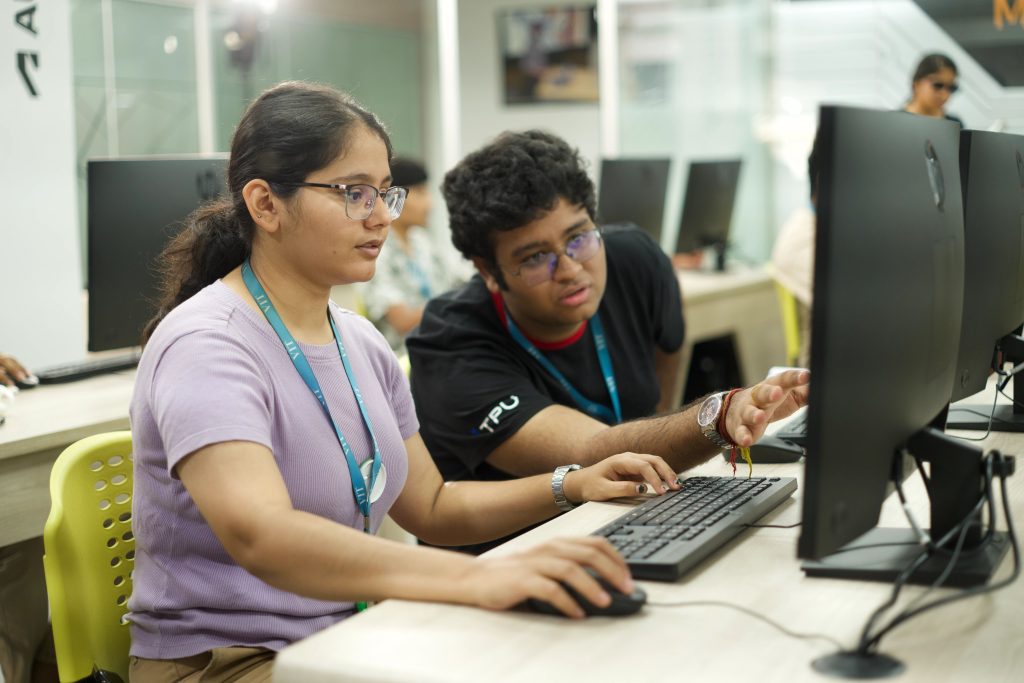
Building capability goes beyond product training. It requires a coordinated approach that combines practical learning, continuous upskilling, and recognised certification. At its heart are instructors who bring together sector knowledge, product mastery, and the ability to truly engage and educate.
This story brings together perspectives from Autodesk and KnowledgePoint, exploring how organisations can build the skills needed to make BIM work in practice.
The conversation around BIM is no longer about if it will be adopted, but how quickly organisations can develop the capabilities to implement it effectively. Governments are introducing standards and mandating digital delivery, accelerating the shift across the AECO sector.
At the same time, many firms are facing a common challenge—access to skilled talent. While the demand for BIM continues to grow, the ability to apply it in real-world scenarios is still limited by gaps in practical knowledge and experience.
Bridging the gap between learning and practice
Astrid from Autodesk and Tomas from KnowledgePoint emphasise that effective BIM capability comes from hands-on, practical learning. Exposure to real projects and industry-aligned curricula allows individuals to develop skills that directly translate into the workplace.
Learning that reflects real workflows helps professionals contribute from day one, collaborate more effectively, and adapt to evolving technologies. It shifts BIM from a theoretical concept into something that teams can confidently apply in practice.
Building scalable capability through certification
Certification and train-the-trainer initiatives are essential for scaling skills across organisations. They provide a way to validate knowledge, ensure consistency, and expand access to high-quality training.
When education providers, industry, and training partners work together, BIM becomes more than just a tool—it becomes a mindset. This collaborative approach supports efficiency, enables more sustainable project delivery, and strengthens resilience across the AECO sector.
Astrid D. Øie, Sr Autodesk Learning Partner Manager, is leading the Autodesk Authorized Training Center Channel in EMEA. The channel is key in upskilling and training the current- and future workforce.
About Tomas Karlsson, KnowledgePoint
Tomas Karlsson is the head of channel services at KnowledgePoint. This means he oversees the management of outsourced extended enterprise learning programmes, recruiting and supporting global network of training providers on behalf of organisations, including Autodesk.
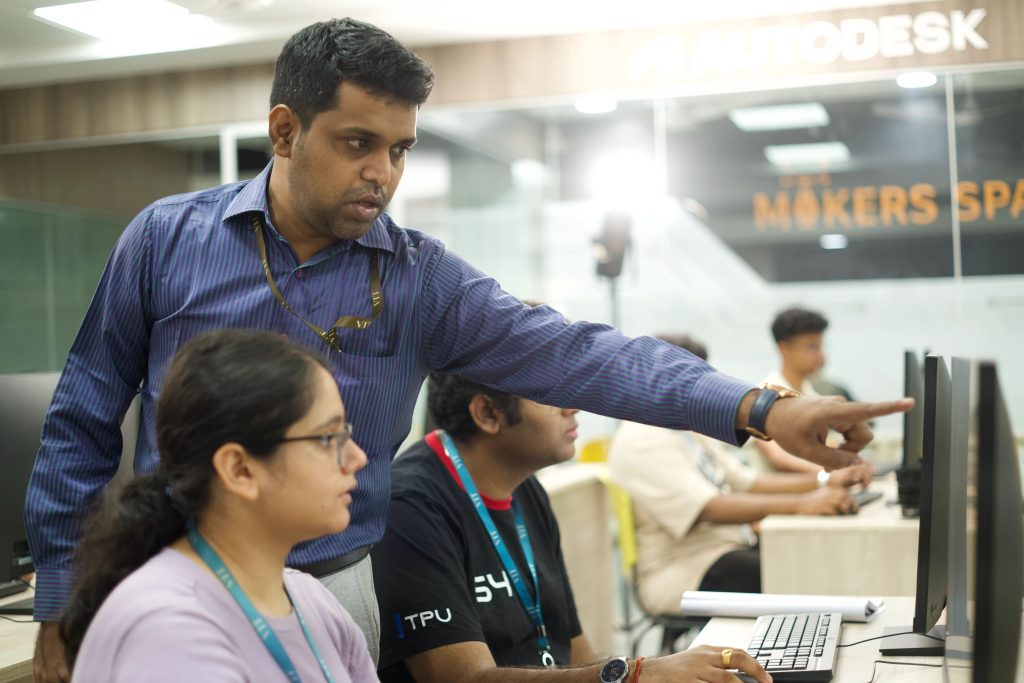
Why digital capability—not technology—is becoming the key driver of success in complex infrastructure programmes.
Late last year, I travelled to Marrakesh for a meeting with Autodesk Learning Partners from across the region. One of the discussions focused on the scale of infrastructure investment in Morocco — from the Tiznit-Dakhla expressway to the White Dunes Green Hydrogen project and preparations for the 2030 FIFA World Cup.
These initiatives are not simply defined by individual projects, but by interconnected systems and requirements. From cross-border rail corridors and airport expansions to energy networks and urban regeneration programmes, these investments are designed to reshape economies — not just deliver assets.
Large-scale infrastructure projects are increasingly interconnected, requiring coordinated planning across systems, disciplines and regions.
Beyond Morocco, similar examples can be found across the region.
The Lobito Corridor — a 1,300km rail and logistics network linking Angola, the DRC and Zambia — is designed not just to connect locations, but to unlock regional trade and resource flows. The expansion of Etihad Rail and the wider GCC railway network is creating a connected logistics backbone across the Gulf, linking ports, cities and industrial zones.
On projects of this scale, decisions made on site can have far-reaching implications — not only for timelines and budgets, but for cross-border coordination and long-term economic outcomes.
If the right insight isn’t readily available, the consequences can be significant.
The Digital Transformation Gap Is Human, Not Technical
Investment in digital transformation across the AECO sector continues to grow. BIM, data platforms and connected workflows are increasingly being adopted as standard.
Yet, as highlighted in our BIM Realities report, nearly 70% of organisations still struggle to realise their digital transformation ambitions.
The challenge is not technological — it is human.
The success of these projects depends on having the right skills, knowledge and confidence to use digital tools effectively.
From Coordination to Decision-Making
For many organisations, BIM adoption has focused on improving coordination — better models, fewer clashes and more efficient delivery.
While these benefits remain important, they represent only part of the value.
Across the BIM Realities stories and beyond, we see how teams with strong digital capability are beginning to influence decisions, not just coordinate work.
As teams build confidence with BIM, they identify constructability challenges earlier. Instead of resolving issues during delivery, they feed insights back into design — reducing rework and influencing sequencing decisions.
Contractors working in complex infrastructure environments use coordinated digital models to improve communication between design and site teams. This enables faster, clearer and more confident decision-making.
These are not marginal gains. They represent a fundamental shift in how decisions are made.
Connecting Site Intelligence to Programme Strategy
The implications of this shift are particularly significant in large programmes, where complexity is driven not just by scale, but by interdependence.
Delivery is distributed across geographies, organisations and disciplines. Decisions made in one location — whether related to sequencing, logistics or design — can have consequences across entire regions.
This makes the flow of information critical.
Real-time site insights enable faster, more informed decision-making across project teams.
Structured digital workflows create a feedback loop between site and strategy. Shared models, data capture and common standards allow insights from delivery to be communicated effectively to planners, designers and programme leaders.
This improves visibility of risk, enabling issues to be identified earlier and addressed more proactively. Leaders can make better-informed decisions, with confidence that the data reflects reality on site.
Enabling Coordination Across Complex Ecosystems
Large-scale programmes are rarely delivered by a single organisation. They rely on networks of clients, contractors, consultants and supply chain partners — often operating across different countries, standards and ways of working.
BIM provides the technical foundation, but success depends on people having the skills to operate effectively within that framework.
When teams are aligned in both tools and workflows, they can collaborate across organisational boundaries — ensuring consistency, coordination and alignment.
Digital skills act as a unifying force, enabling diverse teams to operate as a connected system rather than a collection of disconnected parts.
From Capability Building to Strategic Advantage
If digital skills enable better decisions and stronger coordination, the next question is how organisations build this capability at scale.
Structured, intentional skills development is a key part of the solution.
Organisations move beyond ad hoc training to defined learning pathways, embedding knowledge across teams rather than relying on a small number of specialists.
When individuals understand not just how to use BIM, but how their work connects to wider programme goals, they are able to contribute more meaningfully.
At this point, capability building becomes a source of strategic advantage.
Skilled teams are the foundation of digital transformation, enabling collaboration, coordination and better project outcomes.
Bridging the Gap Between Delivery and Intent
Digital skills are becoming a critical bridge between site and strategy — enabling better decisions, stronger collaboration and more resilient outcomes.
Organisations that invest in structured capability building don’t just improve project delivery — they ensure that site-level insight informs strategic planning and decision-making.
Where site insight informs strategy, projects adapt and perform.
Where it does not, issues surface too late — and at greater cost.
We will know soon enough whether major projects are delivered on time and on budget. The real question is whether they will deliver the wider impact they promise.
Tomas Karlsson Head of Global Services, KnowledgePoint
Tomas Karlsson is the head of global services at KnowledgePoint. This means he oversees the management, growth and delivery of learning and partner networks for organisations such as Autodesk. He and his team provide operational support, recruiting and enabling global networks of training providers, assuring high quality delivery and learner experiences.

The story from Kenya describes how a programme is providing young women from technical institutions with practical BIM training, certification, and work experience. It shows how access to opportunity, combined with digital tools, can open new pathways for women and other underrepresented groups in the construction industry.
Limited access to training, mentorship, and industry-relevant experience has historically constrained female participation in construction and engineering roles. Addressing this gap is essential not only for improving gender equality, but also for building a more capable and diverse workforce across the AECO sector.
From Training to Real-World Experience
The story highlights how HiCAD Africa, in partnership with Autodesk and GIZ, is helping to address this challenge through the Build4Skills programme. The initiative equips young women with digital design skills that are directly aligned with industry needs.
Participants are trained in Revit, Civil 3D, AutoCAD, and BIM workflows, combining theoretical learning with hands-on practical experience. A key part of the programme is the opportunity to complete industrial placements with leading companies, where participants gain exposure to real projects and professional workflows.
This practical approach helps build confidence and ensures that learners are not only trained, but also ready to contribute in a professional environment.
Creating a Sustainable and Inclusive Talent Pipeline
Many graduates have already secured employment, demonstrating how programmes like Build4Skills can create a sustainable pipeline of skilled talent for the construction industry.
Empowering women with digital and BIM skills has the potential to transform both individual careers and the wider AECO sector. By bridging the gap between education and industry, Build4Skills is helping organisations build more inclusive, competent, and innovative teams, while setting a strong example for gender equality and workforce development in Kenya and beyond.
HiCAD Africa is an Autodesk Authorized Training Center based in Nairobi, Kenya. It specialises in BIM Consultancy, focused on empowering AECO companies through innovative Building Information Modelling (BIM) solutions. It is dedicated to empowering professionals and students with the skills and knowledge they need to excel in their careers, providing hands-on, practical experience with industry-leading software tools which are led by certified instructors.
Meeting the demands of a rapidly changing sector requires a focus on practical skills, digital workflows, and sustainability awareness. The story from Jordan shows how professionals need to combine technical expertise with an understanding of environmental performance.
Building skills for efficient and sustainable delivery
Delivering projects efficiently while meeting energy efficiency and low-carbon goals requires professionals who can combine technical proficiency with collaboration and strategic thinking. BIM supports better coordination, reduces errors, and optimises design performance – all key for a more sustainable future.
From training to real-world impact
Archizone Academy is equipping professionals with these capabilities through practical, project-based training. Learners gain skills in Revit, clash detection, 4D/5D scheduling, and energy analysis, enabling them to contribute immediately to live projects such as the Tafila Hospital. Training also supports career progression, with participants moving from technician roles into coordination and management positions.
BIM enables achievement of sustainability goals. By focusing on skills, collaboration, and real-world application, Jordan is laying the foundations for smarter, more efficient, and sustainable construction. It is preparing the workforce for a digital-first, greener AECO sector.
Archizone Academy is an Autodesk Learning Partner is based in Amman, Jordan. Established in 2012, it develops and delivers training programmes to professionals across the AECO ecosystem. It integrates practical training with real-world experience to strengthen professional skills, and works collaboratively with agreements with universities as well as government and international organisations.
Five reasons why I think student design challenges add value
In design, mastery doesn’t happen by watching – it happens by doing. That’s my experience – and I think that’s why student design competitions have become a firm fixture in education.
Mastery doesn’t happen by watching – it happens by doing.
I’m saying this as someone who has been on both sides of student design challenges – when I was an industrial design student I took part in competitions, and I’ve had the pleasure of organising (and judging) several.
They compress realworld constraints into a focused timeframe – teamwork, technical practice and creative problemsolving all come into play.
For students, that pressure sharpens skills and knowledge. For educators and employers, it’s a reliable signal of potential.
If you’ve ever trained for a race or prepared for a performance, you’ll be familiar with what’s involved: practice, iterate, test, refine.
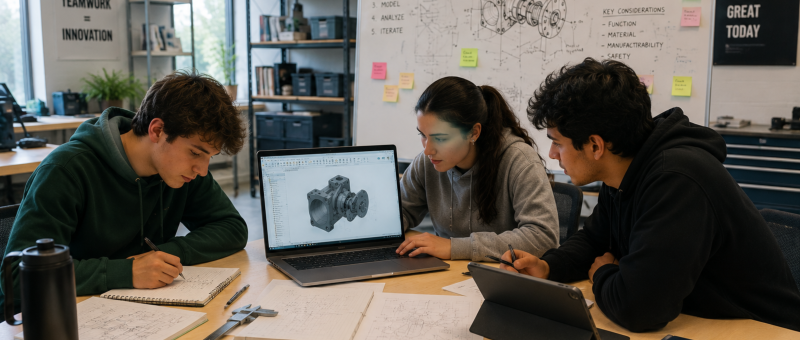
A similar thing happens when students join a design challenge. They learn tools they’ll use in industry, they collaborate under pressure, and they push beyond what they thought they could do. And they do all these things together – as a team.
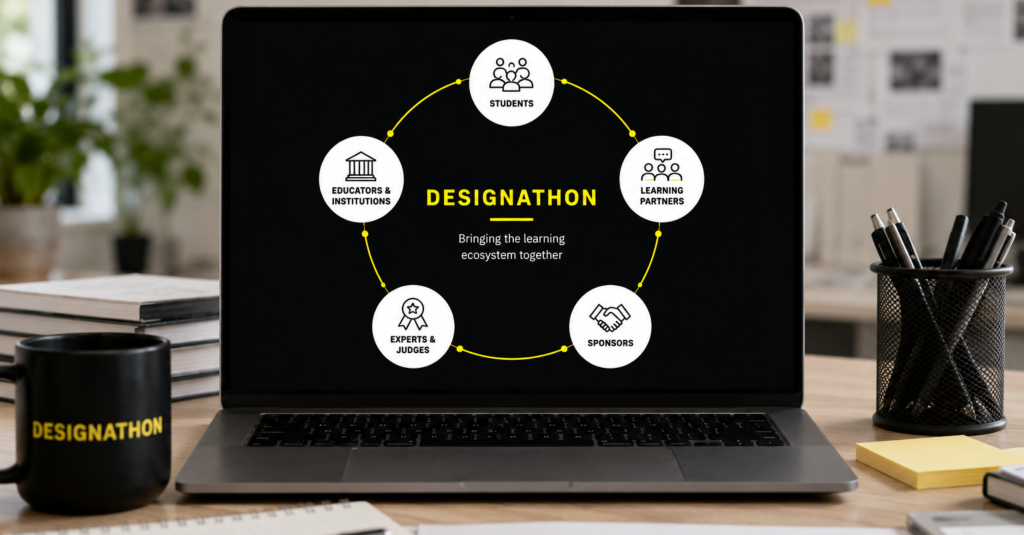
We’ve seen this again and again in our Designathon. Students develop their Autodesk Fusion knowledge and skills, build shared workflows, and respond to briefs with originality.
I know they add value – and I wanted to share my thoughts on why this is.
1. Challengebased learning sticks
Some of the best learning environments add just enough pressure to focus the mind – deadlines, criteria, and stakes which mean something (I know recognition and prizes motivate).
In a wellstructured competition, students have to move quickly from learning mode to active application of skills and knowledge. They interpret a brief, evaluate tradeoffs and options, and prototype under time constraints.
That shift from “knowing” to “doing” helps to cement longterm capability.
2. Constraints are creativity’s best friend
When I talk to my design peers, they’d agree with me in saying constraints free up your thinking. This is true in the Designathon. When teams have to balance feasibility, aesthetics and user needs – within hours, not weeks – ideas are refined, faster.
I recently looked back at some of winning concepts from previous editions of the Designathon.
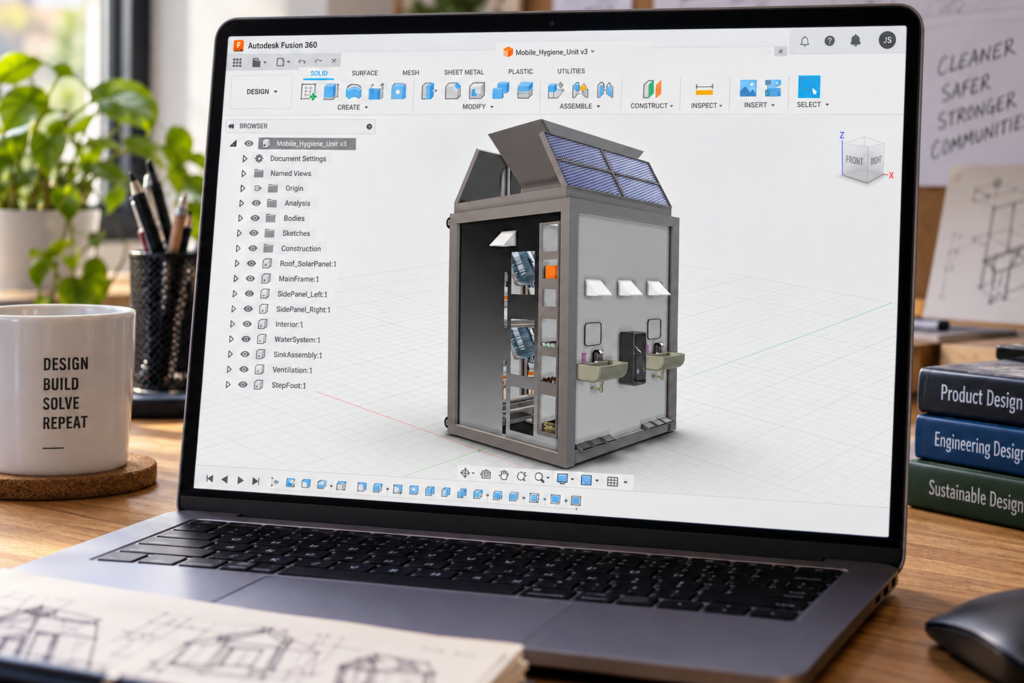
In 2024, one team’s “mobile machine” explored resilience and renewable energy through solar panels, tempered glazing and AIassisted monitoring – they demonstrated systems thinking under constraint.
Another team designed a compact hydroponics system powered by solar, integrating sensors for pH and nutrient control – a lesson in designing for performance, portability and efficiency.
3. Real tools, real world learning
In a competition (and in the preparation for it), students don’t just learn about tools – they learn how to use them with purpose.
Working in Autodesk Fusion against a live brief mirrors what’ll they’ll encounter in design studios and startups: versioning, collaboration, and quick iteration toward a deliverable.
That practical fluency is precisely what employers look for – and I believe it helps to smooth the classroom-towork transition.
4. Collaboration fuels confidence
Competitions are communities with a countdown clock! They provide a space where peers share tactics, identify strengths and weaknesses, and celebrate progress.
I know first-hand how competitions encourage innovative thinking, provide a platform to experiment, and act as proof of expertise for future opportunities. We encourage students taking part in our Designathon to share their designs with the community on the Autodesk gallery and through their social channels.
The confidence the students gain from is as valuable as any certificate.
5. A global perspective, from day one
Design is global. When students join a challenge which attracts participants from dozens of institutions and countries, the learning multiplies.
They see a range of approaches and design for varied contexts, alongside technical skills.
Last year was a case in point. The challenge set was to use Autodesk Fusion to design and model an outdoor space for students to collaborate, learn and socialise.

With entries from northern Europe to southern Africa, climatic and environmental factors provided context and inspired a range of ideas.
When I looked back through comments from students who took part in Designathon 2025 – they celebrated the ideas, and acknowledged their peers’ skills.
What effect do these things have? Broader thinking and stronger ideas – and a determination to learn more.
Coming soon
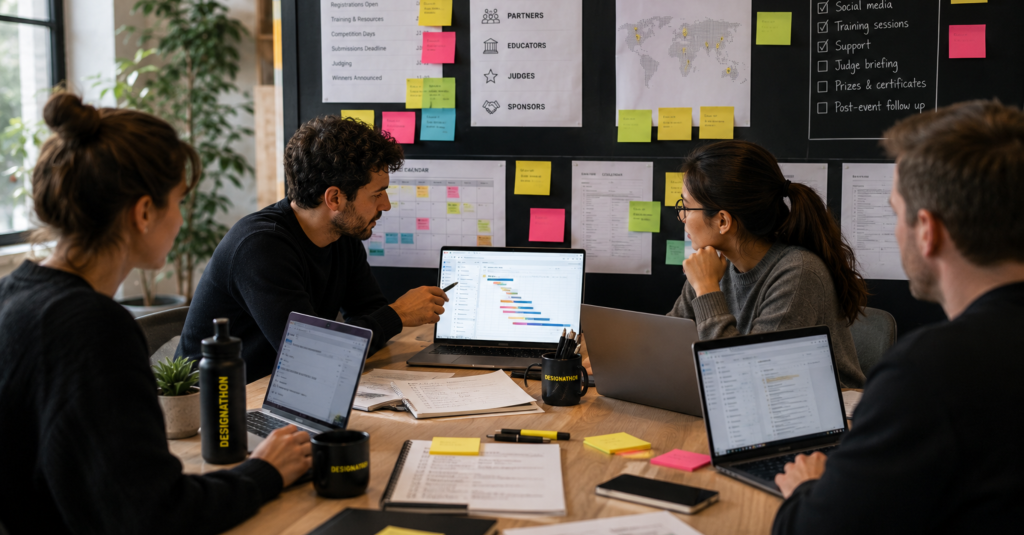
For us at KnowledgePoint, international student competitions are firmly embedded in our annual programme.
We run them because we believe they offer highimpact test environments for the skills that matter for those pursuing careers in industrial design – creative resilience, systems thinking, tool fluency and collaboration.
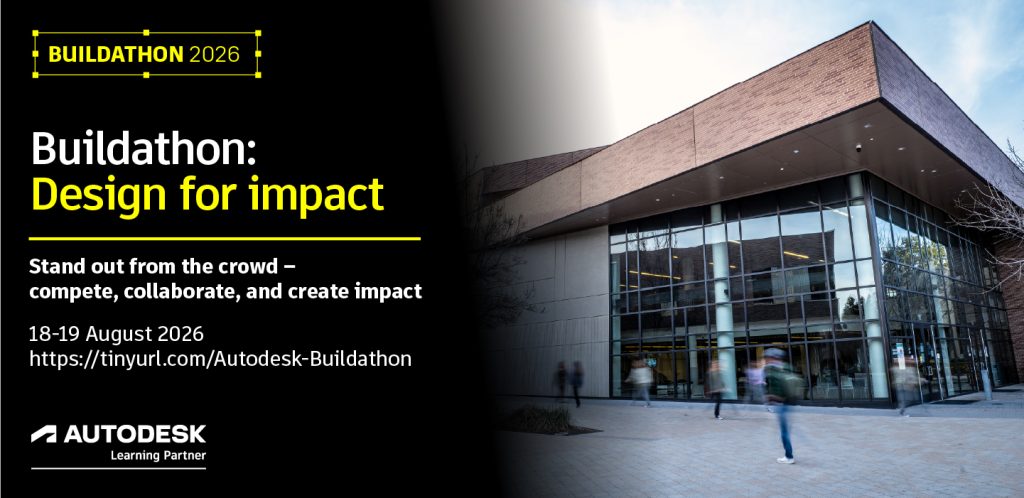
And for those students looking out for Designathon 2026, watch this space.
About the author
Furkan Günal is a partner recruitment executive at KnowledgePoint and Autodesk Expert Elite.
He’s a member of the organising team for the annual Designathon, during which we benefit from his experience with and knowledge of Autodesk Fusion.
Prior to joining KnowledgePoint, he was an Industrial Design Engineering student at Gazi University, gaining credentials in Design and 3D Modeling.
Kenya’s infrastructure ambitions are increasingly being matched by investment in human capability. As the country accelerates development across key sectors, there is a growing focus on preparing professionals with the skills needed to plan, design, and manage more complex, data-driven projects.
This story highlights how training providers, government agencies, and industry stakeholders are working together to build that capability — ensuring that infrastructure professionals are equipped not just for today’s demands, but for the future of digital delivery.
Driving Growth Through BIM Skills
Kenya is entering a period of rapid infrastructure growth, spanning roads, energy networks, housing, and water systems. With this expansion comes increased complexity, making collaboration, coordination, and long-term asset management more critical than ever.
Investment in Building Information Modelling (BIM) skills is helping the sector respond to these challenges. While national BIM standards are still evolving, adoption is already being driven by funders and forward-thinking organisations. This is creating growing demand for professionals who can apply BIM across the full project lifecycle — from planning and design to construction and operation.
Practical Training for Real-World Impact
ADCC International East Africa is playing a key role in supporting this transition by delivering practical, infrastructure-focused training programmes. These are designed for engineers, consultants, and government agencies, combining technical Autodesk tool training with broader knowledge in project management, collaboration, and asset operations.
Importantly, the focus goes beyond software. The story demonstrates that successful BIM adoption is as much about mindset and capability as it is about technology. By equipping professionals with the right skills, confidence, and strategic understanding, Kenya is laying the groundwork for a more connected, efficient, and digital-first approach to infrastructure delivery.
This shift not only benefits project teams and asset owners, but also contributes to better outcomes for communities — supporting sustainable growth and long-term development across the country.
ADCC International East Africa is an Autodesk Learning Partner based in Nairobi, Kenya. It is a specialist in BIM and the infrastructure market, training and preparing architects and engineers to capitalise upon BIM technology. Working in partnership with universities, government departments and commercial organisations, it also offers architectural and engineering design services and solutions, topographic mapping, GIS, photogrammetry and electrical distribution surveys.
High-performing teams — whether in sport or construction — rely on preparation, collaboration, and continuous learning.
In this article, Tomas Karlsson explores how the principles that drive success in elite sport can also strengthen performance across the AECO sector. Through examples from the Autodesk Learning Partner network, the BIM Realities report shows how investing in people, skills, and structured training can transform productivity, collaboration, and project outcomes.
Sporting endeavour: a metaphor for performance built on people and preparation
Over the last couple of weeks, many sport fans – and armchair athletes – around the world have tuned into the Milan-Cortina winter games. As a Swede, I’ve enjoyed watching what are common family endeavours, such as cross-country skiing, translate into medal success.
Alongside the glow of national pride, it made me reflect on how the difference between victory and defeat isn’t just about raw talent. Preparation, adaptability, and teamwork under pressure are often what make the difference. Across events including skiathlon, speed skating and snowboard halfpipe, athletes redefined what elite performance looks like through dedication, smart training, and collaboration.

So, what can we take from the pinnacle of sporting endeavour to what we do in the AECO sector?
Just as athletes rely on structured training, data-driven preparation, and effective teamwork to perform on the biggest stage, AECO organisations must also invest in people and their skills to compete for and deliver complex projects. When teams are equipped with structured upskilling, robust digital workflows, and practical hands-on training, they become more productive, effective, and efficient.

Throughout our BIM Realities report, we share examples of this people-led approach. The stories from representatives in the Autodesk Learning Partner network show how, by focusing on people first, AECO organisations can transform productivity, collaboration, and project outcomes.
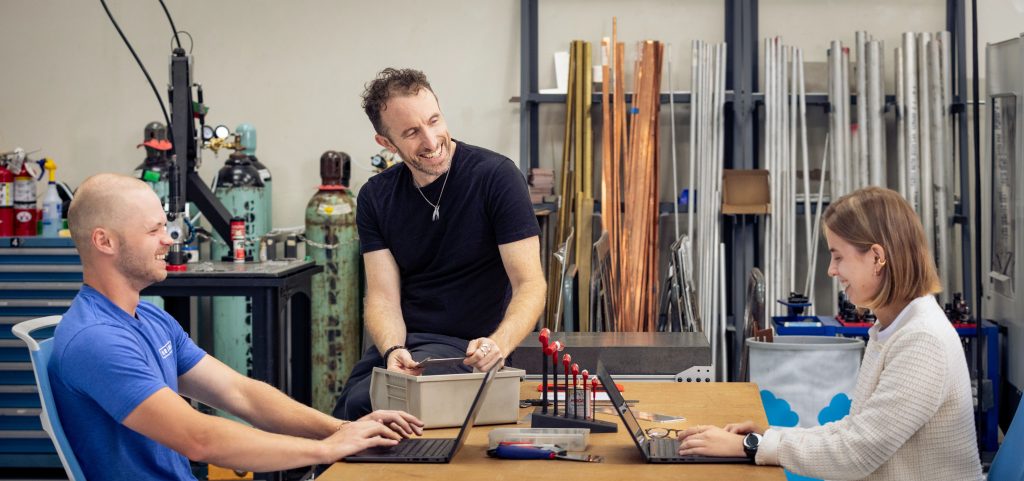
Collaborating for team and project success
At a sporting level, success is rarely the result of individual brilliance alone. Behind every athlete is a coordinated team of coaches, analysts, technicians, and medical staff, all working from the same plan and the same performance data.
AECO projects work in much the same way. Design, engineering, and construction teams must operate as one, sometimes across different organisations and locations. Project success depends on competence, coordination across disciplines, and the ability to adapt in real time.
This is where BIM plays a critical role. Shared digital models provide a common language, allowing different disciplines to coordinate decisions, resolve issues earlier, and understand the impact of their work on others.
Structured upskilling, aligned digital workflows, and practical training ensure teams can collaborate through the model rather than around it. By equipping them to work confidently in connected BIM environments, friction is reduced, productivity is improved, and complex projects are delivered with greater certainty.
Inspiring future generations: building the pipeline
Major sporting events often inspire people to take up sporting pursuits. Just as young athletes dream of standing on the podium, the AECO sector has a responsibility to inspire future and diverse talent.
Autodesk Learning Partners around the world are helping to do just that.
One example is the Build4Skills programme, which equips young women from Kenyan TVET institutions with industry-relevant digital skills.
The Build4Skills programme has been transformative in equipping young women with critical digital skills for the AEC industry. By integrating practical training with industry-standard software and real-world experience, we are not only preparing students for the workforce but also upskilling TVET trainers to ensure sustainable knowledge transfer. – Ruchika Gajjar, HiCAD
Another example comes from Modena Design Centres in South Africa. By introducing learners to digital design early, Modena is helping bridge the gap between education and industry and equipping the next generation of engineers, designers, and technicians with the skills and confidence to thrive.
Early engagement with digital tools like CAD and Revit allows learners to visualise, model and problem-solve in ways that mirror real industry environments. This not only accelerates their technical proficiency but also instils the mindset needed for effective participation in BIM processes. – Karin Smith, Modena
By creating pathways for early careers, apprenticeships, and structured learning programmes, organisations can show young talent that construction and engineering are dynamic, purposeful, and technologically advanced. This helps build the workforce of tomorrow while fostering diversity, innovation, and long-term resilience across the industry.
Building training ecosystems: scaling capability
As someone involved in the training sector, I’m always curious about how national sporting organisations develop coaching structures that can deliver success at scale. Typically, they build on expertise, often with former athletes becoming coaches themselves, and develop structured frameworks to guide training and performance.
Let’s apply that thinking to the AECO sector.
Instructors play a critical role. They bring depth of knowledge and real-world experience. At Line Practic in Kazakhstan, for example, all instructors are practicing professionals who continue to work on live projects while also delivering training. This ensures course content reflects the latest industry needs rather than static curricula.
Our training is being constantly adapted. Each new programme launch takes into account the latest changes in the market. We structure the training in a way that ensures learners develop the skills needed to be fully prepared for real work as soon as they complete the course. – Dinara Aitbayeva, Line Practic
This practical experience is essential for anyone entering a BIM-enabled workplace. Integrating into a coordinated BIM team requires not only technical knowledge but also a shared understanding of processes, standards, and collaboration.
Across the sector, train-the-trainer models are helping scale capability.
By equipping instructors or master trainers with expertise in digital construction tools and methods, knowledge can be rapidly cascaded to students and professional peers. This creates a multiplying effect that strengthens the entire ecosystem and builds sustainable training infrastructure.
In Ethiopia, CMI-BIM Training Center has already trained 65 industry professionals, university lecturers, and members of professional associations through a train-the-trainer programme.
Similarly, the model is strengthening capacity in Nigeria through Autodesk Learning Partner Gribs Integrated Services, where participants cascade their learning to colleagues across institutions and training networks.
Parallels between sport and the AECO sector
Just as athletes rely on structured training, expert coaching, and consistent feedback to convert potential into podium-level performance, AECO professionals perform best when they are supported with the right skills, tools, and collaborative frameworks.
Digital workflows like BIM — combined with practical, hands-on training — act as the coaching and playbook of the construction world. They give teams the insight and confidence to make decisions, coordinate effectively, and adapt when unexpected challenges arise.
Investing in people is not a one-off task. It is a continuous process built around expertise, collaboration, and shared learning.
High-performing organisations create environments where mentorship, training, and skill development are embedded into daily practice. Just as sports teams rely on both individual discipline and collective strength, organisations that cultivate human capability consistently turn potential into performance — unlocking productivity, resilience, and innovation across every project.
Explore BIM Realities
Discover how Autodesk Learning Partners around the world are building BIM capability through training, collaboration, and innovation.
Tomas Karlsson Head of Channel Services, KnowledgePoint
Tomas oversees the management of outsourced extended enterprise learning programmes, recruiting and supporting a global network of training providers on behalf of organisations including Autodesk.
As BIM adoption increases, the skills demanded by employers continue to evolve. The story from Kazakhstan shows how professionals are adapting to more complex, data-rich and collaborative roles. It highlights how BIM learning never truly stops — skills must evolve as quickly as the technology itself.
In Kazakhstan, BIM adoption is emerging as a key enabler. It is improving project efficiency, collaboration and long-term asset management. However, technical proficiency alone is no longer enough — employers are seeking professionals who can communicate, collaborate, and think systemically in a BIM-enabled environment.
Aligning BIM Skills with Industry Needs
Line Practic LLP is supporting this transition by aligning training with real industry demands. Courses are delivered by practicing professionals working on live projects, combining technical instruction with practical exposure to coordinated BIM teams. Certification, hands-on experience, and up-to-date curricula ensure learners are ready to contribute effectively from day one.
BIM adoption requires both a technical and cultural shift across the AECO landscape. Teams are moving from siloed disciplines to integrated, collaborative workflows. Early exposure to BIM practices — as well as ongoing professional development — is essential for building a workforce capable of meeting Kazakhstan’s growing construction demands.
Line Practic LLP is an Autodesk Learning Partner based in Astana, Kazakhstan. Established in 2006, it has extensive experience of developing and delivering practice-led training programmes which equip professionals with the skills needed to succeed in an evolving AECO landscape. As well as offering a range of training programmes, Line Practic regularly offers free webinars on topical issues affecting the sector.
The story from South Africa highlights the importance of building bridges between industry and education. By embedding digital design and BIM principles into classrooms, the next generation is being equipped with the practical skills, confidence, and mindset required to drive transformation.
Digital transformation starts with education
Digital transformation begins in the classroom. While national adoption of BIM is still emerging, initiatives that focus on early exposure to digital design, CAD, and Revit are equipping learners with the foundational skills and mindset needed to succeed in a modern AECO environment. By bridging education and industry, Modena Design Centres is preparing a new generation of engineers, designers, and technicians for integrated, data-driven workflows.
The story highlights the importance of teacher training, curriculum integration, and practical experience. From secondary schools to universities, learners gain hands-on experience with digital tools, competitions, and real-world projects. This approach not only builds technical proficiency but also fosters critical thinking, collaboration, and problem-solving.
A people-led pathway to long-term BIM adoption
Long-term transformation is people-led. By aligning educational programmes with national digital skills strategies, supporting educators, and providing early access to technology, South Africa is cultivating a sustainable pipeline of talent ready to drive BIM adoption across the industry.
Modena Design Centres is a South African Autodesk Platinum Partner and Authorised Training Centre with offices across major cities including Johannesburg, Cape Town and Durban. Modena helps educators, students and professionals adopt digital design technologies that connect learning with industry, supporting South Africa’s transition to a smarter, more sustainable digital economy.
The story from Nigeria highlights how capacity building can underpin digital transformation in construction education and professional development, supporting the development of a modern, competitive workforce.
In Nigeria, transnational collaboration is accelerating digital transformation in construction education. With a traditionally fragmented, labour-intensive sector, and graduates entering the workforce without the digital skills required for modern projects, initiatives such as DT4TVET are helping to bridge the gap by bringing together local expertise with international best practice.
Practical training and the train-the-trainer model
The story from Gribs Integrated Services highlights the power of hands-on, practical training and the effectiveness of the train-the-trainer model. By equipping educators with BIM and immersive technology skills, the initiative ensures that knowledge is multiplied and passed on, preparing the next generation of professionals to meet Construction 4.0 standards.
Participants are learning not only software skills, but also how to foster collaboration, reduce errors, and promote inclusivity across construction projects.
Building a globally competitive workforce
By investing in education, infrastructure, and capacity-building, and by leveraging international partnerships, Nigeria is creating a workforce capable of delivering higher-quality, more efficient, and globally competitive construction projects.
Gribs Integrated Services Ltd provides engineering, construction, and project management training and services in Nigeria. It is an Autodesk Learning Partner and a training centre under the National Skills Qualifications Framework (NSQF) for the training of Artisans and Craftsmen under construction trades. It offers a wide range of courses, including project management, and construction safety, as well as practical skills training in areas like electrical installation, masonry, and pipefitting.